
BTR is all about exposing the perils of fast fashion and what we, the people, can do to escape them.
we have a problem
Once upon a time, long ago, producing clothing was based on necessity. It was merely a solution to a problem. Covering our bodies was a way to protect ourselves from the elements and to carry food foraged from the land, tools, and weapons for hunting.
At some point within the last 10,000-30,000 years (maybe even earlier), clothing gained a new trait, status symbolism. Certain colors like blue or purple represented nobility or spiritual leadership. Headdresses made of precious metals marked the authority of kings, queens, and pharos.
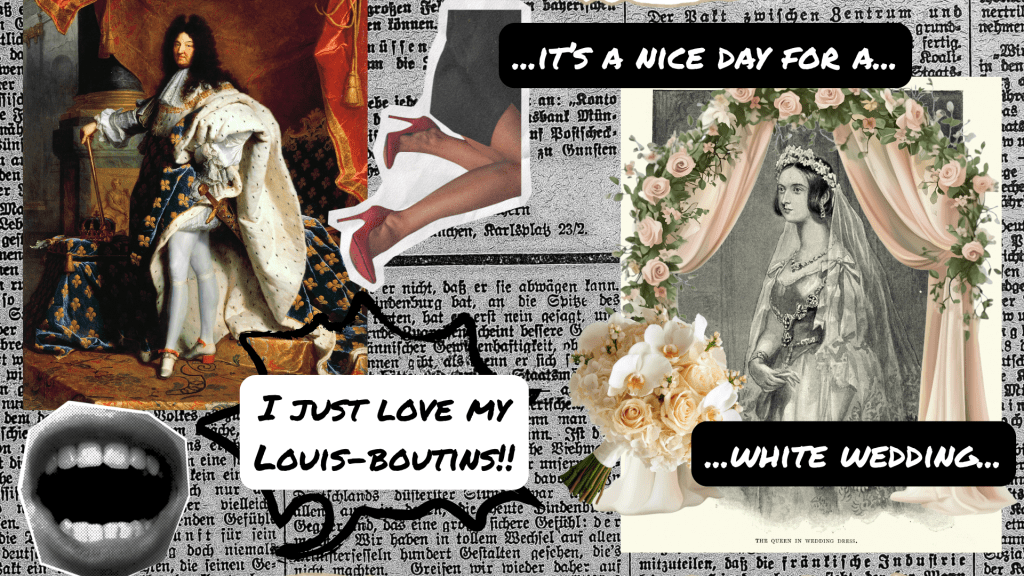
Eventually, these people of “importance” would spark clothing trends among their citizens. This “trickle down” fashion of the past influences what we wear today, such as Louis XIV’s red heeled shoe or Queen Victoria’s white wedding dress. Within the last century we saw a reversal in trend setting. The punk, grunge, and hip hop movements are prime examples of how street fashion of the marginalized was adopted, repackaged, and sold to the elite.
Just over 100 years ago it took fashion trends 5 to 10 years to make their way across the world and into the wardrobes of the everyday consumer. Now, with the invention of the world wide web and social media, they travel at breakneck speeds. This marked the exponential escalation of fast fashion and, with it, a new dopamine-inducing addiction. Fashion trends can be born, live, and die within months or, in the case of TikTok, less than a week.
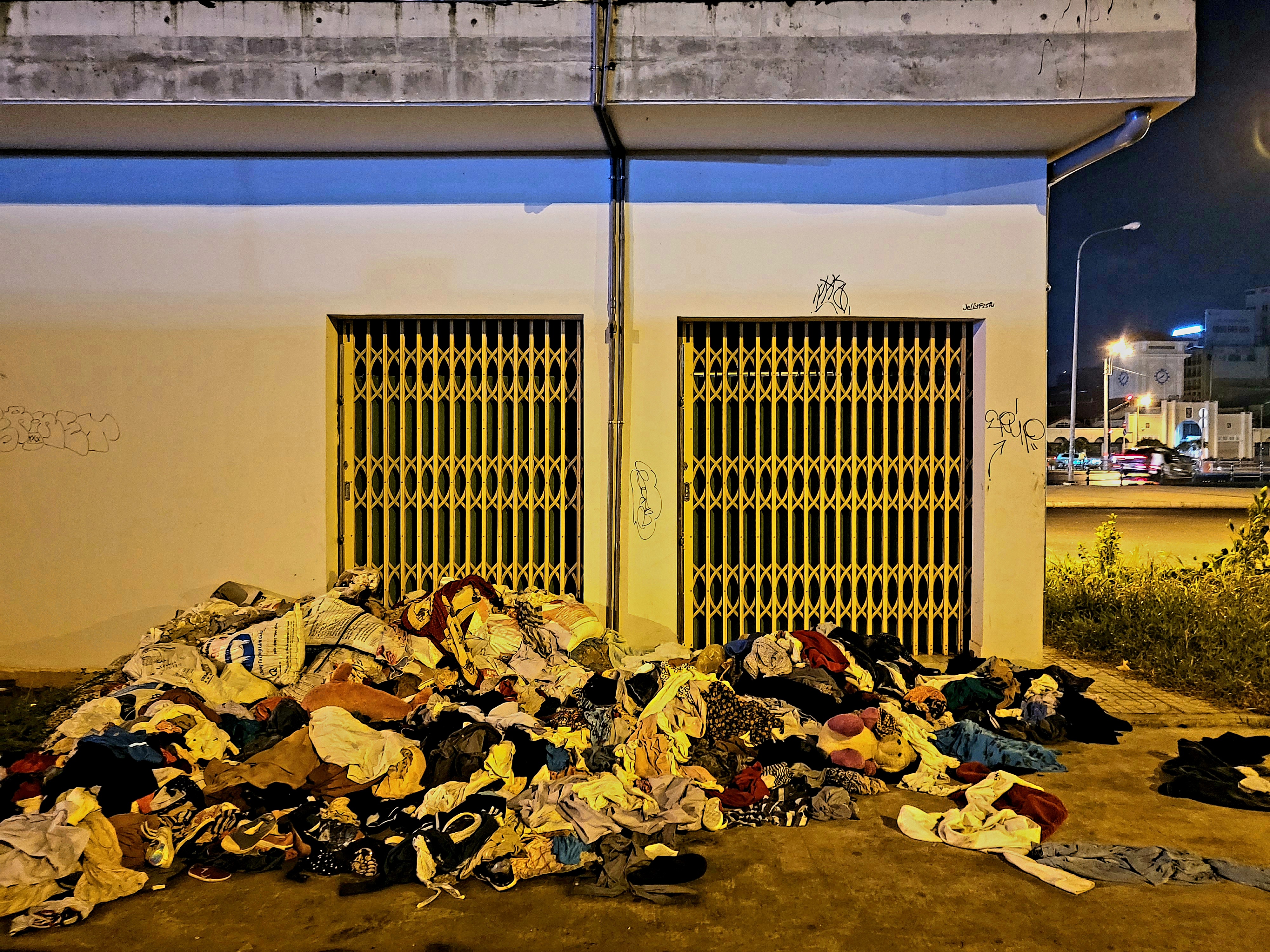
In the age of fast fashion, clothing has become part of a consumer samsara. An endless cycle in which desire, identity, and consumption continually feed one another, spinning the wheel of production and disposal ever faster. For most of human history clothing was highly valued, cared for, and repaired. Today, an estimated 10-40% of clothing that was NEVER SOLD ends up in landfills or incinerated. About 82% of clothing produced GLOBALLY is sent to landfills (57%) or incinerated (25%). AMERICA can boast a whopping 85% total!
Fast fashion, born from the greed of corporations, the gluttony of consumption, the envy stirred by influencers, and the prideful worship of brands, culminates in a destructive force that pollutes the earth, society, and the mind.
what’s the solution?
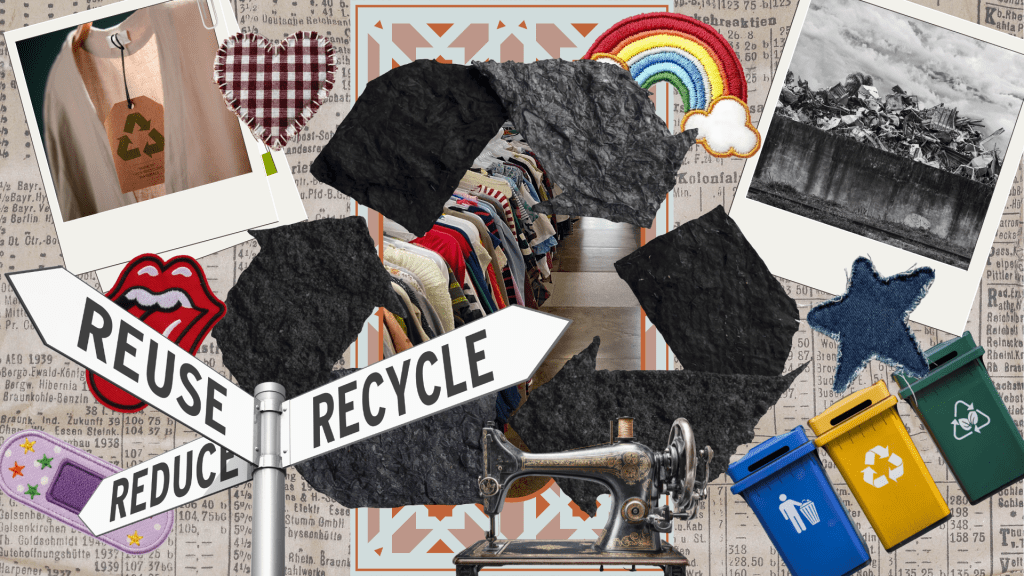
So what can you do to resist the sins of fast fashion and reconnect to your clothing in a healthier way? It really comes down to those three R words: Recycle, Reuse, Reduce.
Buy less
Do you really ‘need’ another t-shirt with a quirky quote on it? Probably not. If you find yourself lost in the fast fashion cycle and buying more ‘just because’ while your clothes have invaded other spaces outside your closet, maybe it’s time to take a long hard look at the ‘why’ behind this compulsion.
Having an overabundance of clothes can cause more stress than you might have previously believed. Trying to find an outfit every morning may become a point of overwhelm instead of excitement. Not to mention the amount of laundry to be done and the increasing water and electric bills.
Overconsumption feeds the fast fashion wheel. To combat this consider a minimalist or capsule wardrobe. Keep well made and versatile staple pieces then use a strategic collection of unique accessories and shoes to give your outfits a punch of your personality.
If you decide to cull your wardrobe, don’t automatically drop it off at your local thrift store. Consider offering it to friends and family to go through first. Or if you find yourself strapped for cash, buckle down and hold a yard/garage sale. If that’s not an option, you can sell them on the many resale websites and apps like Poshmark or Depop.
wear longer
Those well made pieces need love and care to last. Paying attention to their labels and the laundering instructions is paramount to their longevity. Some clothes don’t need to be laundered after every use, such as most outerwear. Washing items that don’t need it less often reduces wear and water consumption.
Using cold water when washing preserves the fibers much better than hot water, while also reducing the energy used for each load. Over drying also contributes to fibers breaking down faster. Hanging some clothes to dry helps to preserve your wardrobe and also conserves energy.
Proper storage based on the construction involved will preserve the structural integrity of each piece. A knit sweater will droop and loose it’s shape if hung from a hanger and should be folded instead. Conversely, a crisp woven dress shirt benefits from being hung, keeping the fabric smooth and free of any creases or wrinkles caused by folding and shoving it away in a drawer.
thrift first
There’s no shortage of used clothing. Goodwill, Salvation Army, and your local church thrift shop can provide you with your entire wardrobe. It just takes a little time, patience, and planning.
Making a list of what’s missing from your wardrobe and then limiting your search to 1-3 pieces per shopping trip will reduce shopping fatigue and increase your chances of success. Limiting your search helps create mental ‘blinders’ which will cut down the overwhelm caused by choice overload.
Check labels. You’ll be surprised by how many high end brand names you can find. Make sure you buy well constructed items made from materials that will last. Fibers such as cotton, hemp, bamboo, and wools tend to last longer than man made oil based materials. Especially those created and used in the fast fashion industry.
repair, rebuild, recycle
Repairing items like jeans can give your wardrobe a face lift. You can pay a small fee to a tailor to mend clothing you would like to keep. Or, if you’re feeling adventurous, apply an iron on patch or use a reparative embroidery stitch in a bold color to give your jeans some personality.
If you find the only reason you’re not wearing those slacks to work is that they are an inch or two too long, take them to a tailor to have them hemmed. Same can be done with the sleeve length of a blazer.
Make something entirely new from clothes that are too far gone to repair. All those quirky t-shirts can become a quilt to snuggle with. Those ratty jeans? They are now a cute boho inspired hobo bag.
There are several textile recycling companies out there that will take clothes in any condition. Mail-in collection services, like Retold Recycling and Trashie, will take your unwanted items and sort them to resale, reuse, or recycle, diverting them from landfills.
The unfortunate and current reality is that no matter how hard we try clothes will end up in landfills, but we can do our part to reduce the amount that does until systemic change happens.
learn the craft
What better way to repair your relationship with your clothing than learning how to make it yourself?! Learning a fiber arts skill, like sewing, knitting, crochet, or weaving (among many more), will allow even more freedom in expressing yourself. You get to choose the color, fiber, size, and shape of whatever item you want to make!
There are other benefits to picking up knitting needles for the first time. Did you know that learning fiber arts skills can strengthen your brain? As you practice these skills, it’s like creating a neuron gym, combining creativity, pattern recognition, and fine motor coordination while building new neural pathways that improve focus, problem solving, and learning.
Making something entirely from scratch can build your own confidence and a healthy appreciation for the skill, time, and labor involved. A handmade item can become an heirloom, passed down from generation to generation to admire and reminisce.
honor the labor
Instead of buying clothing from big box stores and brand names that often use sweatshop labor, consider looking smaller and locally. There are lots of independent designers, jewelry smiths, and other fashion artisans out there that really embody their craft. Their inventories are more likely to be ethically produced, made from quality materials, and have a unique voice that you can’t get from mass produced clothing.
Do your research when it comes to spending your hard earned cash on something brand new. Who do you want to support? Faceless corporate conglomerate monopolists or small business, local designers, women, minority owned, charity driven, or whatever is most important to you? You have the power and the choice is in your hands.
 Blood.Thread.Roots.
Leave a comment